Vienna, Austria, 17 March 2026 — Fraud and corruption are deeply interconnected issues. They undermine trust, distort markets and pose significant operational, financial and reputational risks for companies.
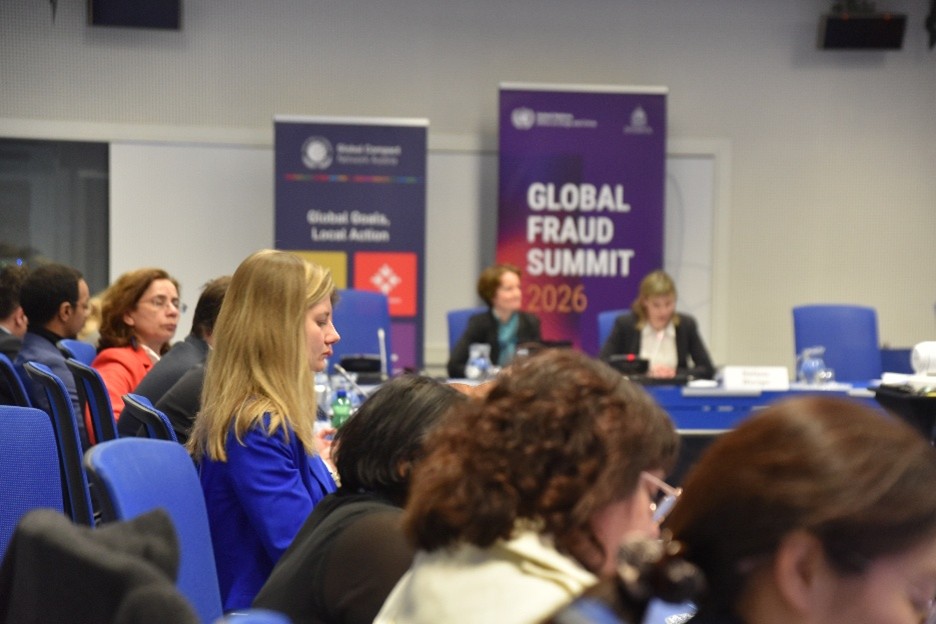
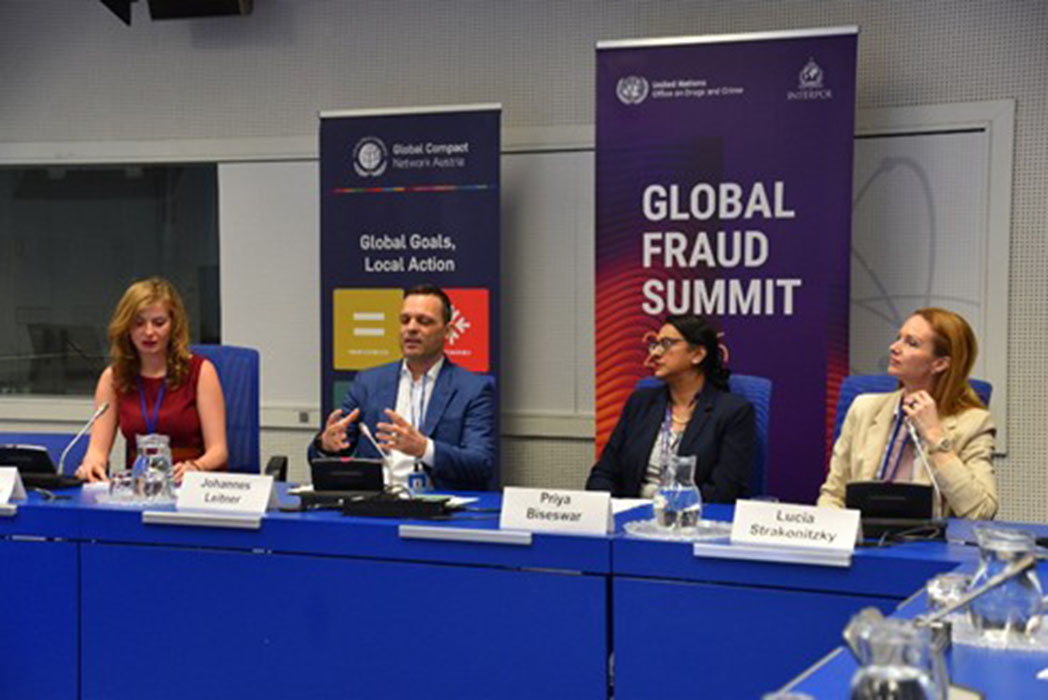
UNODC, in partnership with the UN Global Compact and the UN Global Compact Network Austria, hosted a side event at the Global Fraud Summit 2026 focused on how robust anti-corruption ethics and compliance programmes can help detect fraud in the private sector.
The event, titled “Building Resilient Businesses: How Anti‑Corruption Compliance Powers Fraud Prevention” included representatives from the banking sector, a consultancy firm, a construction company and the Financial Intelligence Centre of South Africa.
Speakers emphasized the value of implementing a credible anti-corruption ethics and compliance programme as a means of fostering a culture of integrity among employees and business partners, while also serving as an important element in preventing fraud.
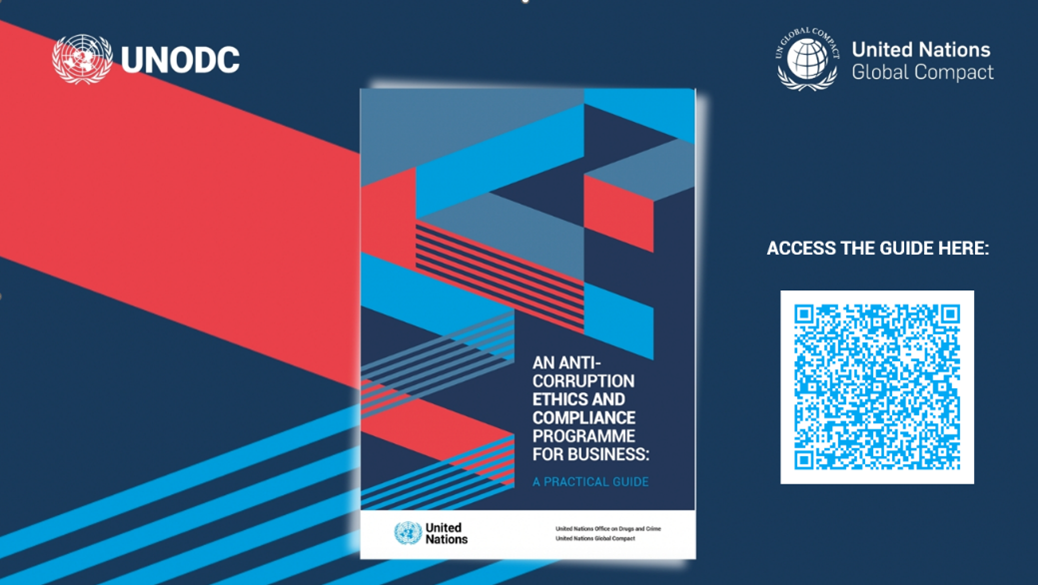
The event also introduced the new landmark publication An Anti‑Corruption Ethics and Compliance Programme for Business: A Practical Guide, developed jointly by UNODC and the UN Global Compact. This guide provides a globally applicable standard for anti‑corruption ethics and compliance programmes for businesses of all sizes and sectors.
Grounded in international norms, including the UN Convention against Corruption, UN Global Compact Principle Ten and the Sustainable Development Goals, the guide was supplemented with good practices contributed by leading companies that supported its development. It sets out the key elements of effective anti‑corruption ethics and compliance programmes and presents them in clear, actionable steps that companies can readily adapt to their context.