Addis Ababa (Ethiopia), 15 February 2024 – The engagement of the private sector in combating corruption has immense significance for fostering economic growth and an enabling environment for development, promoting fair competition and strengthening the integrity of markets. By embracing ethical business practices, adhering to anti-corruption legislation and demonstrating commitment to business integrity and accountability, companies can be a factor in reducing the presence of corruption in the overall business environment, lowering the cost of doing business and providing greater certainty for long-term investment.
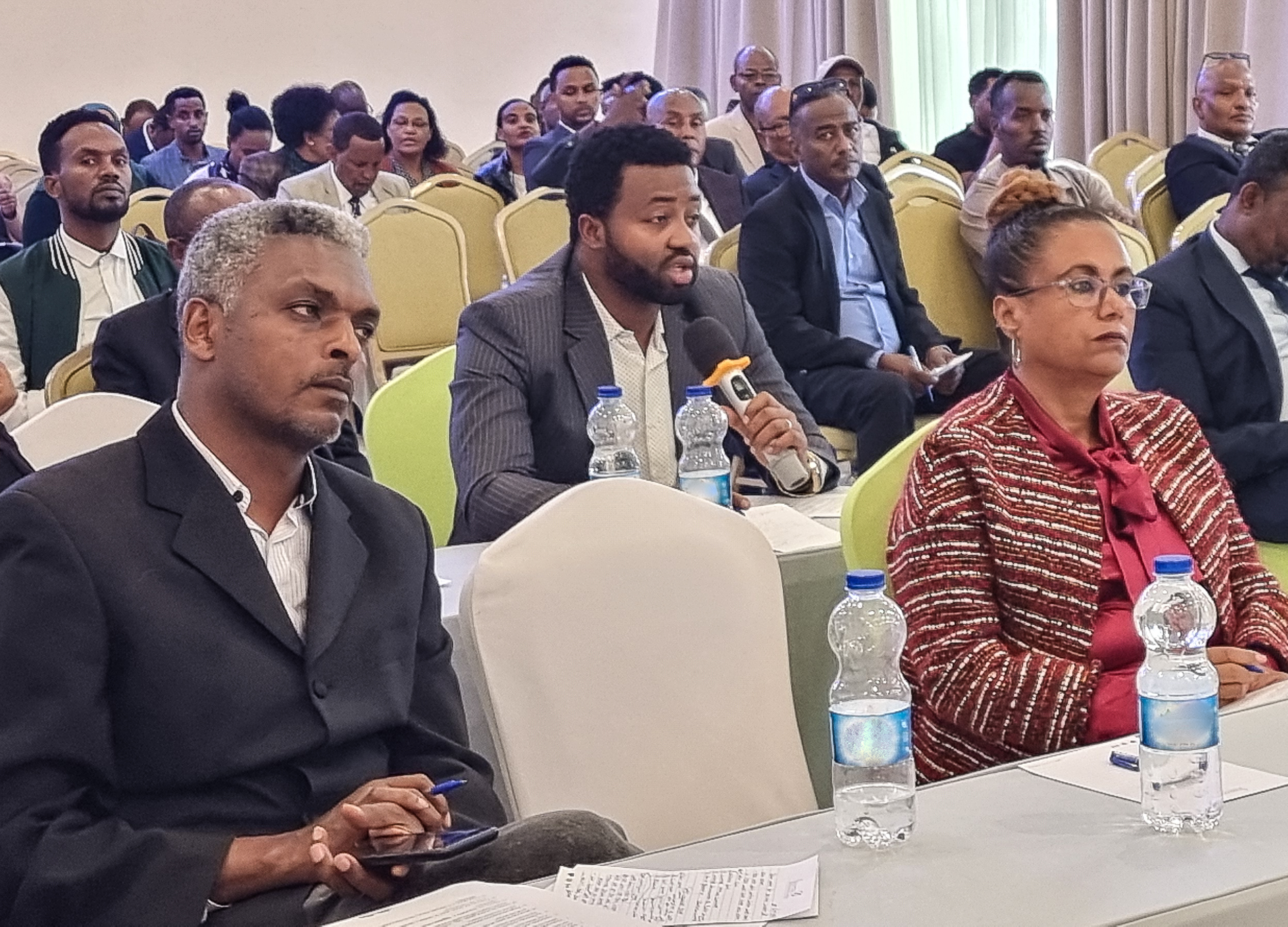
The Global Action for Business Integrity project, implemented by the United Nations Office on Drugs and Crime (UNODC) in eight countries, aims to strengthen legal frameworks, facilitate public-private dialogue and provide guidance to companies and small and medium-sized enterprises (SMEs) on developing robust compliance programmes to prevent corruption in their operations.In Ethiopia, UNODC has most recently collaborated with the Federal Ethics and Anti-Corruption Commission in convening a stakeholder consultation and feedback session. During the session, a draft policy paper on business integrity was presented to 100 stakeholders from various sectors, including the public and private sector, civil society and academia with the aim to solicit their input to refine and enrich the policy document.
This recent stakeholder consultation and feedback session is the latest in a series of activities designed to promote integrity within the private sector. In March 2023, UNODC organized its inaugural event under the project – an inclusive public-private dialogue session that brought together over 126 attendees from public institutions, chambers of commerce, sectoral associations, as well as business community representatives from companies and SMEs. Additionally, participants from international organizations, civil society organizations (including media institutions) and academia actively engaged in addressing ethics and anti-corruption issues.
A key outcome of the session was the development of a comprehensive list highlighting key areas of concern to be addressed in countering corruption within the private sector.As a follow-up to the dialogue, UNODC organized a consultation and drafting session in June 2023. Building on the priority issues identified during the multi-stakeholder dialogue, the session resulted in a draft policy paper on business integrity aimed at addressing these concerns.
The primary aim of the recent consultation and feedback session was to present the draft policy paper on business integrity to stakeholders and collect their input to finalize the document.During the event, participants underlined the necessity of prioritizing awareness-raising, sensitization and capacity-building efforts to build a solid foundation for shifting mindsets away from corrupt practices and towards ethics, integrity, accountability and transparency.
Participants emphasized the significance of investing in the future generation of Ethiopians, particularly through educational initiatives. They also stressed the importance of involving influential opinion leaders, such as religious leaders, who play a crucial role in shaping public opinion. Additionally, the drafting team received advice to align their efforts with existing processes aimed at developing a national anti-corruption policy. This integration would ensure that issues of business integrity are appropriately addressed at the policy level. The session will be followed by a forum to develop the final version of the policy paper for presentation to the Government as a guidance for policy development in business integrity.
