Cairo (Egypt) 27 February 2024 – To safeguard business interests, maintain a positive reputation and promote sustainable development, countering corruption is essential, as it represents a legal and ethical imperative for the private sector. Corruption hampers economic development and social progress by redirecting resources away from vital services, perpetuating inequality and eroding trust in institutions. Through anti-corruption efforts, the private sector fosters the establishment of a more stable, fair, and sustainable business environment conducive to long-term growth and prosperity.
To prevent corruption, promote integrity, lower the cost of doing business and provide greater certainty for long-term investment, the United Nations Office on Drugs and Crime (UNODC) is focusing on enhancing public-private dialogue and strengthening private sector capacity as part of the regional Siemens Integrity Initiative-funded project Strengthening Private Sector Capacity to Prevent Corruption and Enhance Integrity in the Arab Countries. The project covers several countries in the region, including Egypt, Iraq, Libya, Morocco, Sudan and the United Arab Emirates. Its main objectives include enhancing legislation to address corruption in the private sector, fostering improved communication between the public and private sectors through a shared platform for interaction, dialogue and knowledge exchange, and providing guidance to companies and small and medium-sized enterprises (SMEs) in developing their anti-corruption codes of ethics and compliance programmes.
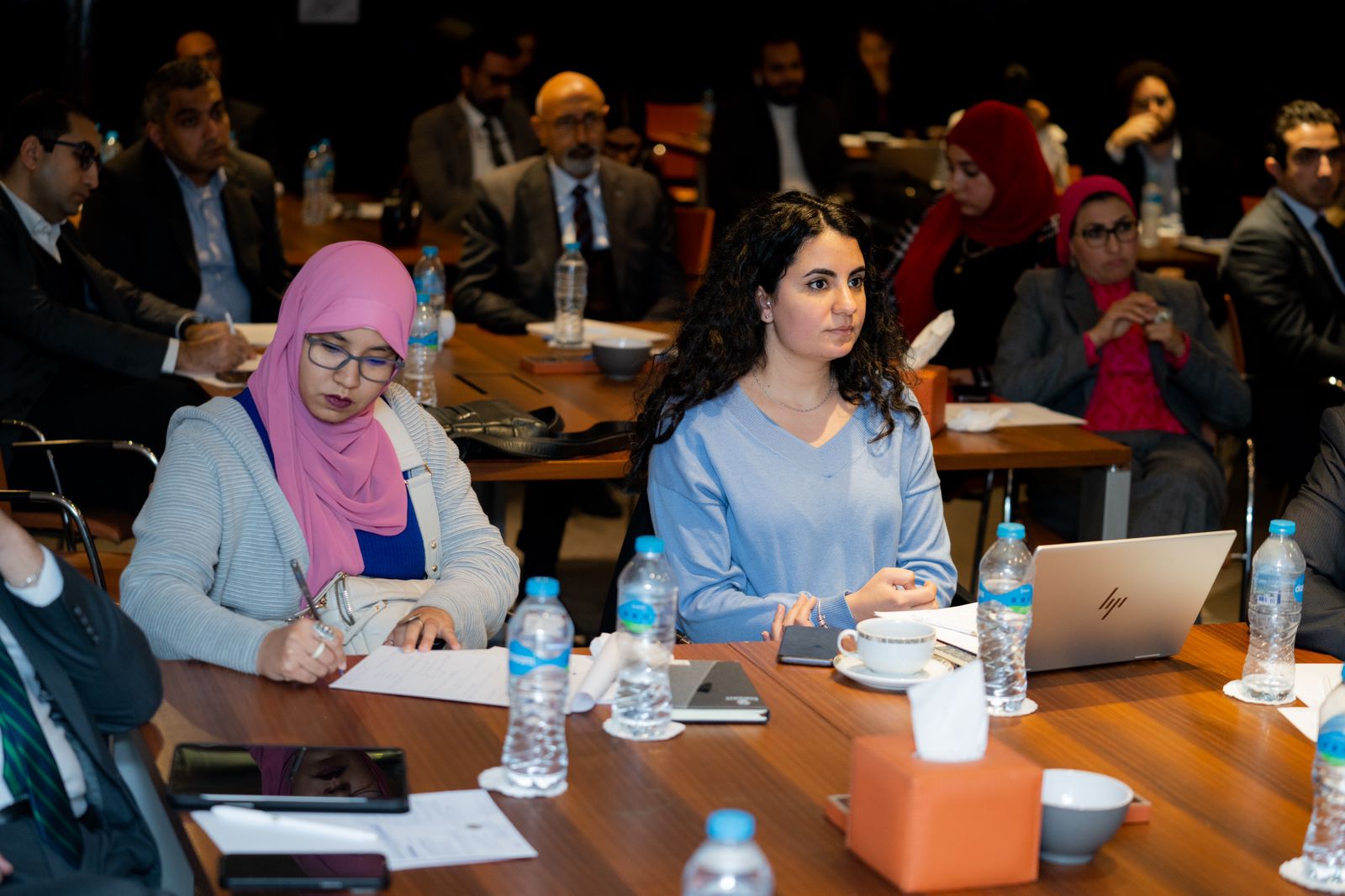
As part of this initiative, UNODC, in close collaboration with the Administrative Control Authority in Egypt and the United Nations Global Compact Network Egypt, organized the first public-private consultation dialogue entitled "Involving the Private Sector in the Implementation of Egypt's National Anti-Corruption Strategy (2023-2030)" on 27 February 2024. Bringing together 40 participants representing 20 large private companies and SMEs across 11 sectors in Egypt, alongside experts from the Administrative Control Authority, the UN Global Compact Network Egypt and UNODC, the consultation fostered a dialogue between the private and public sectors to implement the National Anti-Corruption Strategy (2023-2030).
The event allowed companies and SMEs to share their insights and perspectives on how they can contribute to the implementation of the strategy.The consultation will feed into the development of policy recommendations to strengthen collaboration between the public and private sectors, mobilize multi-stakeholder engagement in anti-corruption efforts, as well as promote private sector involvement in the implementation of the National Anti-Corruption Strategy.
During the event, participants exchanged perspectives on investment opportunities and challenges, their nexus with anti-corruption endeavours, as well as insights into lessons learned and good practices in combating corruption. Participants shared strategies for internal integrity safeguards and corruption prevention mechanisms within their companies, as well as external compliance procedures for suppliers, distributors and business partners.
The dialogue showcased the commitment of both public and private sectors to collaborate in addressing corruption challenges and promoting business integrity. By leveraging collective expertise and implementing robust measures, stakeholders can drive positive change and build a more transparent and ethical business environment in Egypt.
