During the United Nations General Assembly week in New York, business leaders, compliance experts, civil society and academia gathered to examine a fundamental question: how can organizations leverage the benefits of AI while ensuring that processes remain aligned with ethical values, transparency and accountability? Across the different sessions, participants exchanged views on emerging trends, AI use cases and the safeguards needed to ensure that AI supports business integrity.
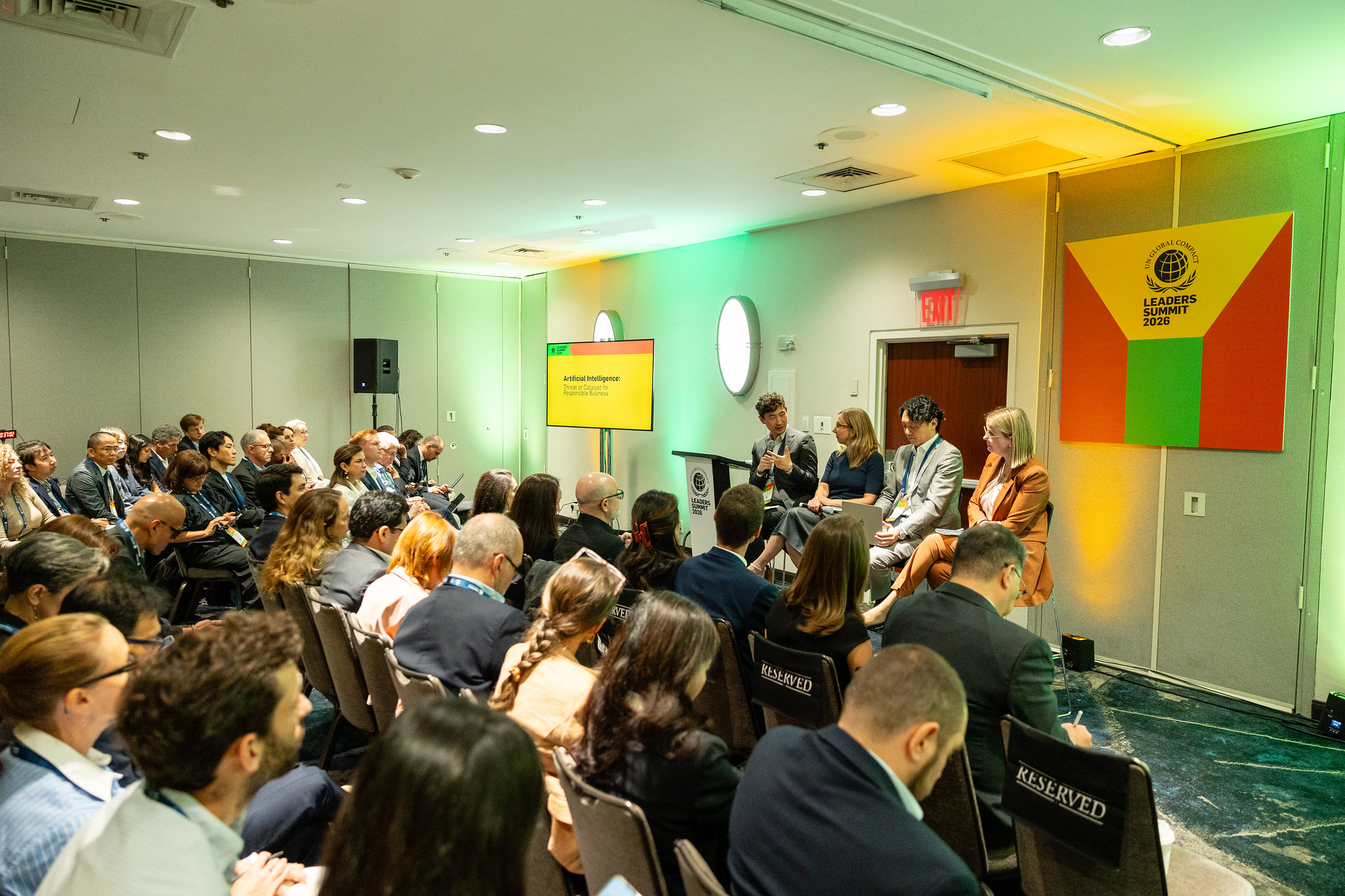
The week kicked off with a session on “Artificial Intelligence: Threat or Catalyst for Responsible Business?” at the UN Global Compact Leaders Summit with representatives from EQS Group, Microsoft, Salesforce and the University of Tokyo. The discussion explored the implications of AI for responsible business conduct, including both anti-corruption and human rights considerations. While experts emphasized that AI will play an increasingly important role in business operations and compliance functions, they agreed that it should augment rather than replace human judgment and accountability, particularly when decisions involve ethical considerations, corruption risks or other significant consequences.
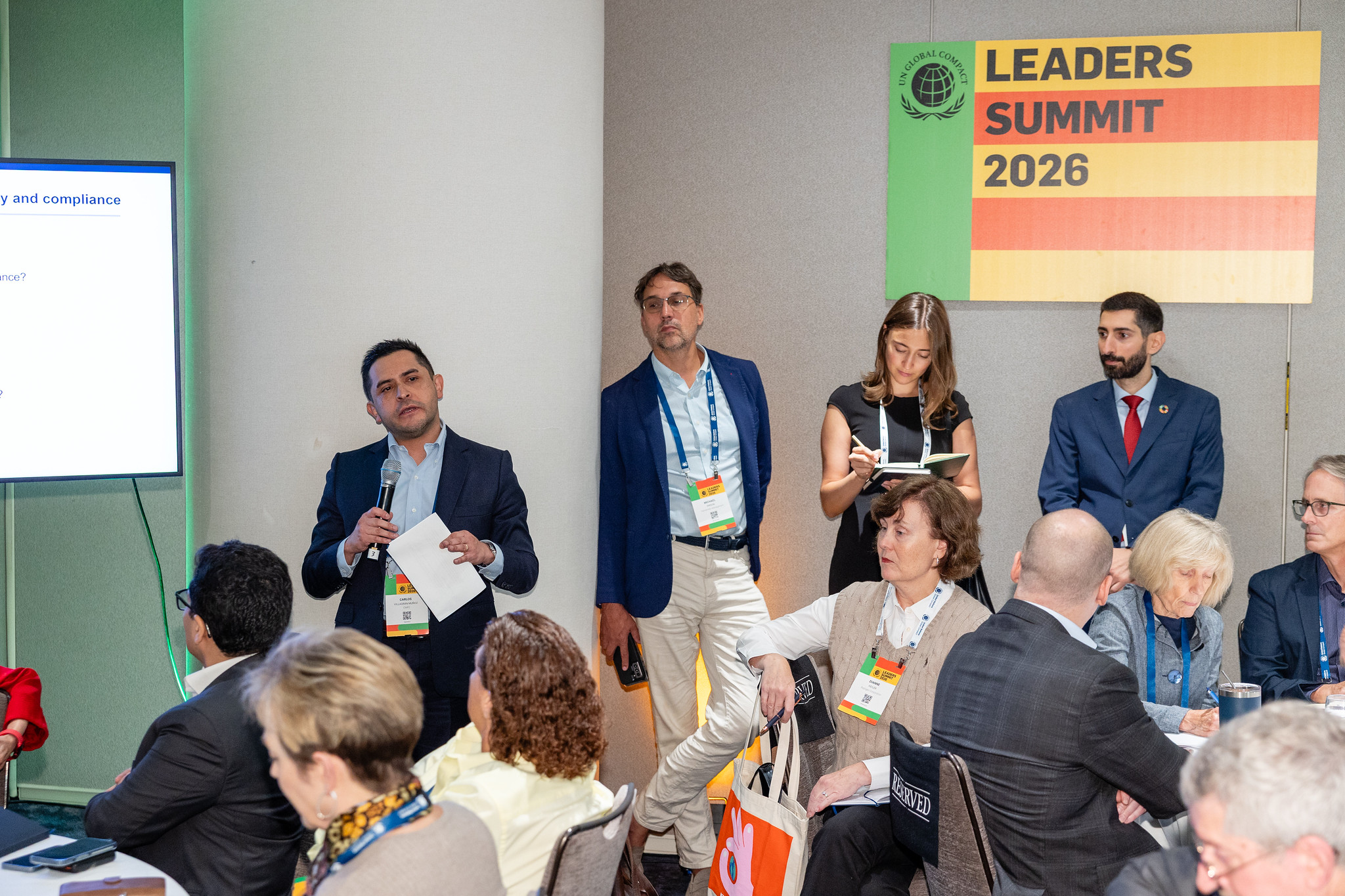
In another session, entitled “Integrity as a Competitive Advantage”, participants critically reflected on the skills that compliance officers will need in an AI-enabled environment, the most common misconceptions surrounding the use of AI in compliance programmes and the ethical dilemmas business leaders will need to address as AI becomes embedded in their companies.
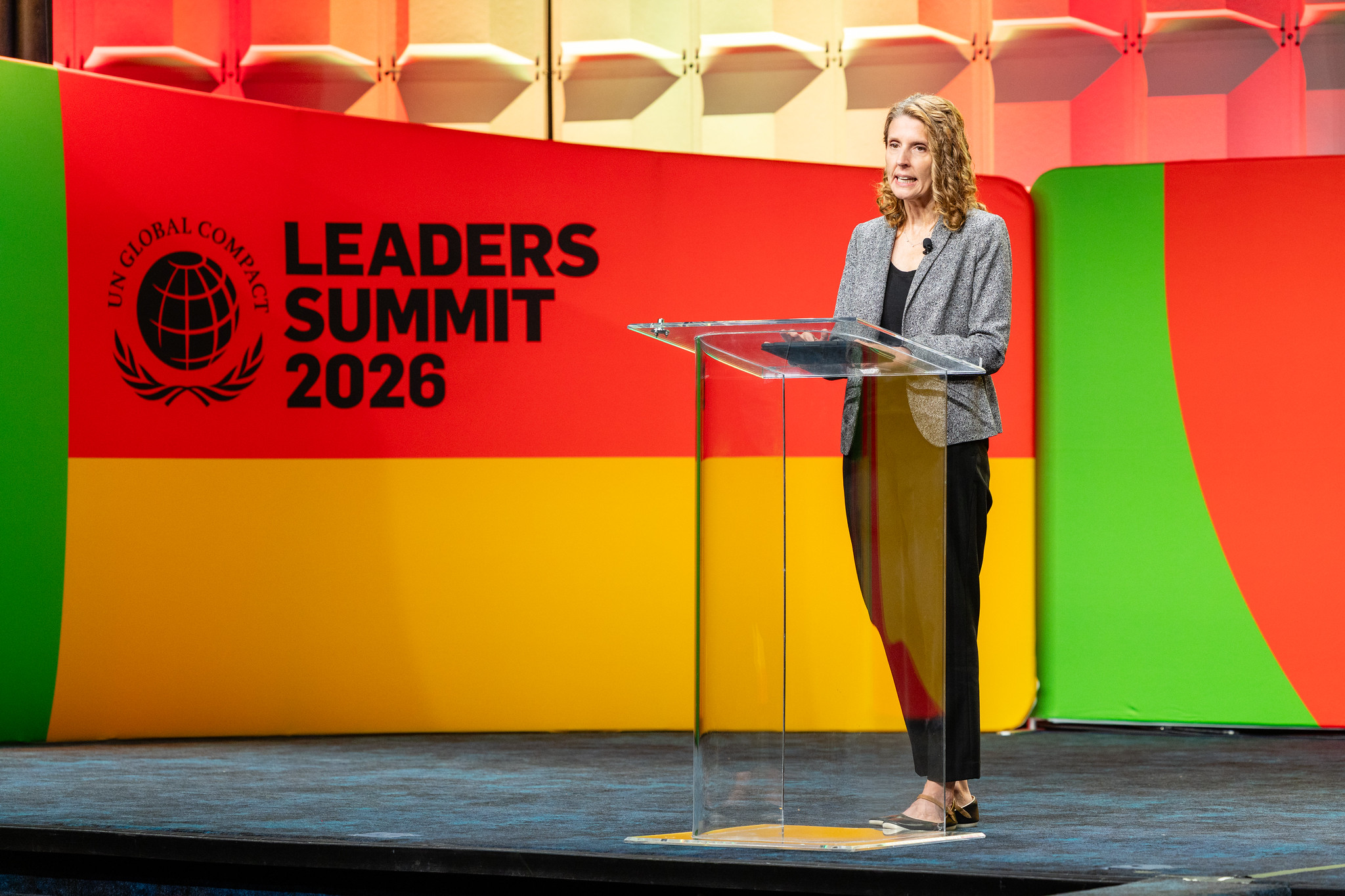
In a separate intervention on sustainability and business resilience during the plenary session of the UN Global Compact Leaders Summit, Candice Welsch, UNODC’s Director of the Division for Policy Analysis and Public Affairs, emphasized that fulfilling sustainability commitments in an increasingly complex operating environment requires strong corporate governance. She highlighted the importance of a long-term vision and ethical leadership, including the responsible use of AI to advance sustainability and integrity, as well as the empowerment of young people as the next generation of business leaders. These themes resonated with the broader discussions on the opportunities and risks of AI for business integrity, underscoring the need to ensure that technological innovation is guided by an ethical and value-based approach and human oversight.
Later in the week, the first in-person meeting of the Think Lab on AI for Business Integrity, jointly convened by UNODC and the UN Global Compact, brought together stakeholders seeking to bridge the gap between high-level discussions on AI and practical implementation within ethics and compliance functions. Around 40 representatives from businesses, academia and civil society gathered to discuss practical applications of AI in anti-corruption, ethics and compliance, including lessons learned from implementation and challenges encountered along the way.
In an open exchange, participants shared successes, challenges and lessons learned from deploying AI tools to support business integrity objectives. Discussions highlighted examples of how AI is being applied to support due diligence efforts, make compliance processes more efficient and improve the analysis of large volumes of data. Participants also emphasized the value of learning from failures and unintended outcomes to build a stronger evidence base on how AI can be used responsibly and ethically.
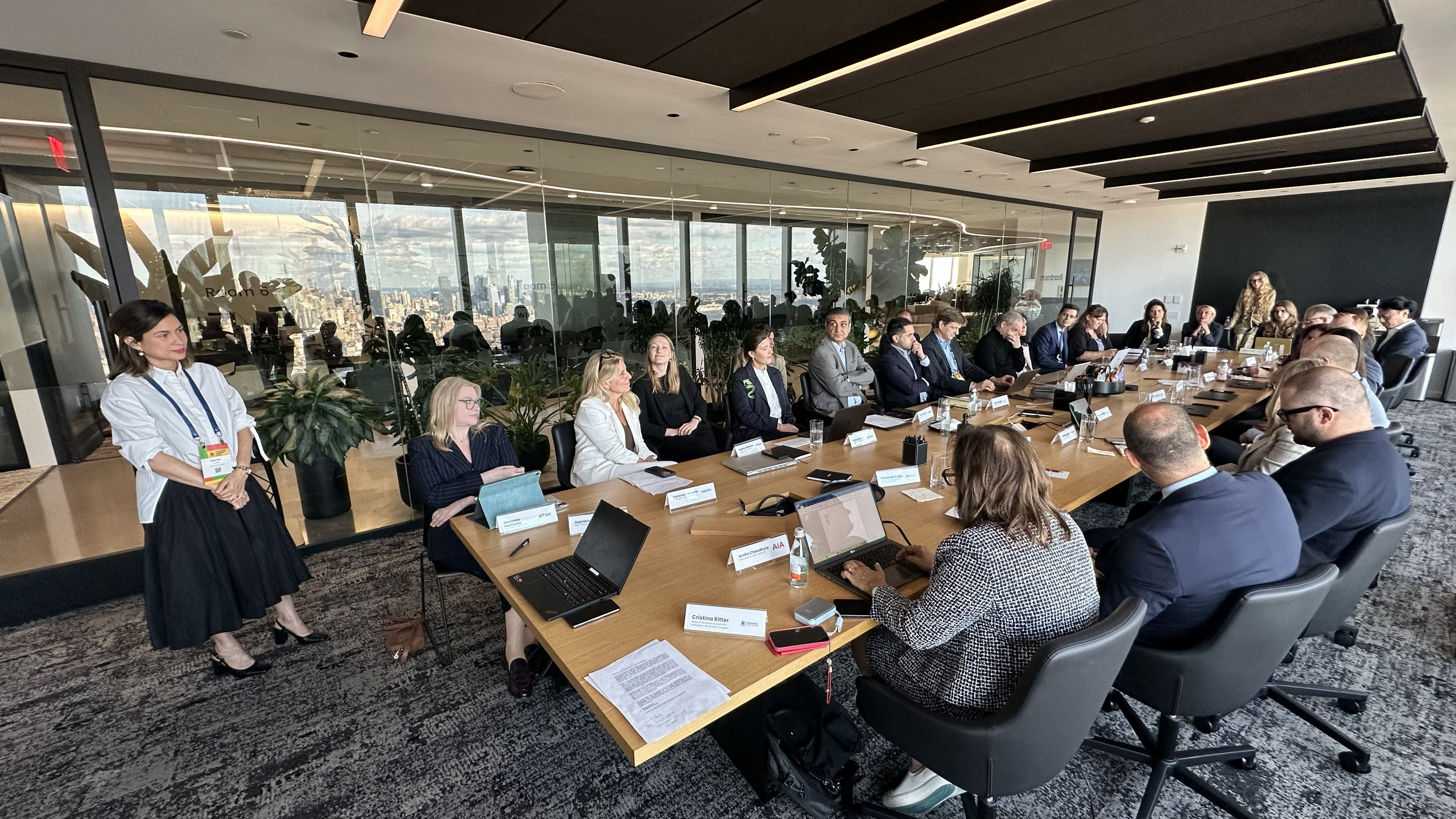
The Think Lab on AI for Business Integrity held its first in-person meeting in New York.
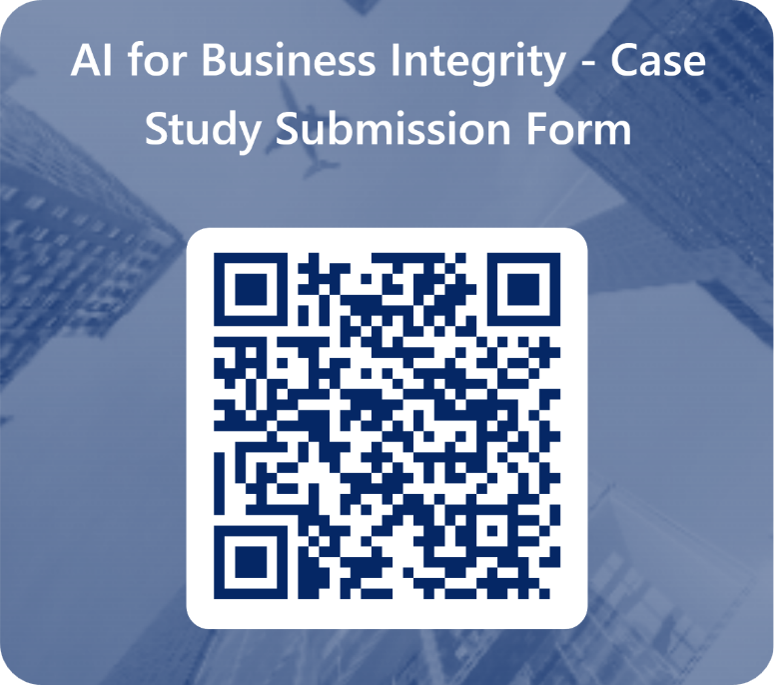
Looking ahead, the Think Lab will build on these discussions by gathering real-world examples of how companies are using AI in compliance, including successes and lessons learned. To support this work, a joint survey by the Bridgegap research project, UN Global Compact and UNODC has been launched to collect practical examples of AI use in anti-corruption, ethics and compliance. The findings will contribute to research, support the creation of a repository of good practices and lessons learned, and inform future guidance for companies seeking to leverage AI to strengthen business integrity.
The survey will remain open until 6 November 2026 and companies of all sizes and sectors are invited to participate. Rather than focusing only on success stories, the survey also seeks to document failures that can provide important lessons learned. By sharing the compliance challenge addressed, the AI solution applied, the results achieved and the ethical or governance questions encountered, companies can help shape the future of AI for business integrity.
Scan the QR code below or click on this link to fill the survey.