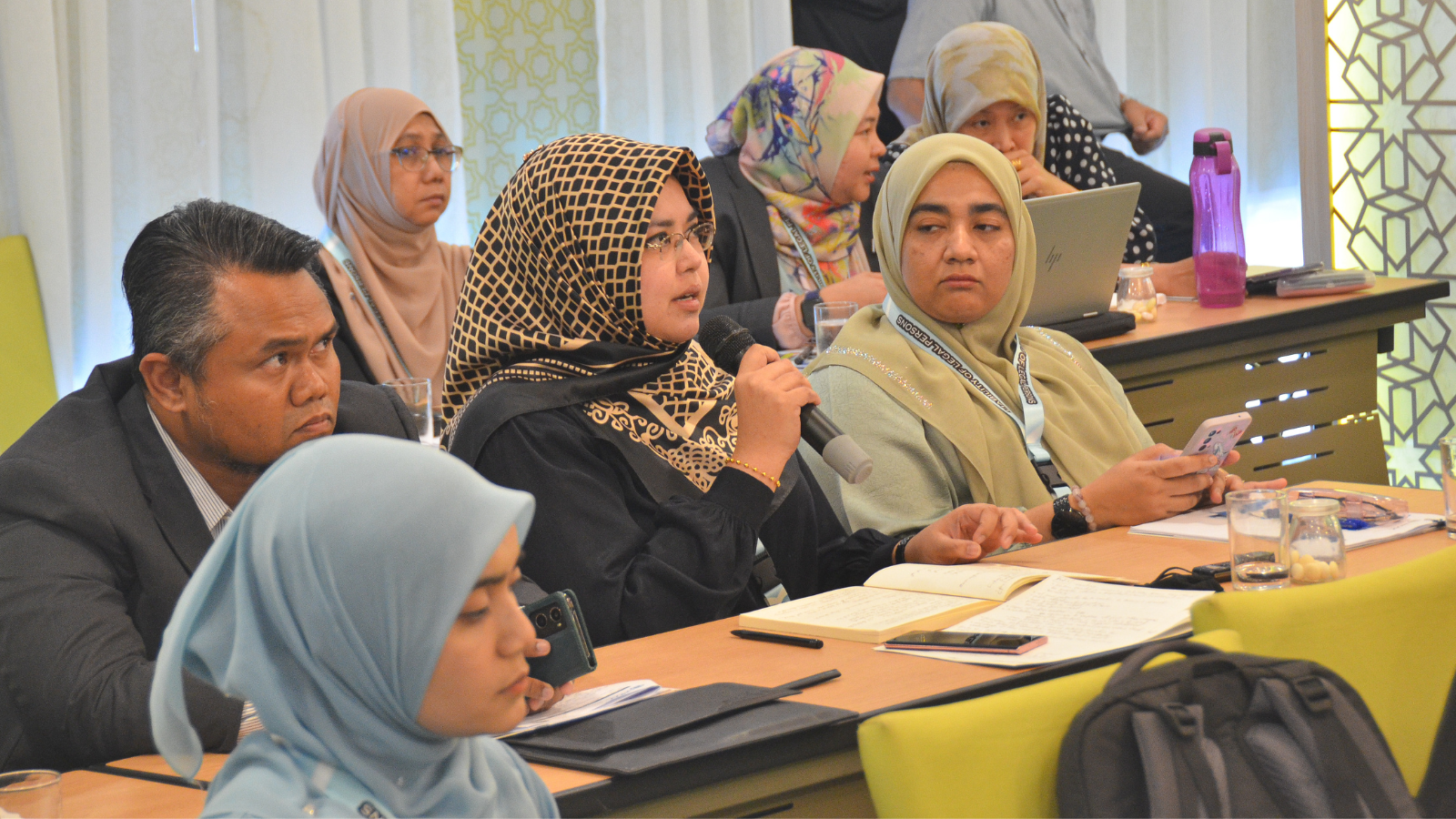
Putrajaya (Malaysia), 26 June 2023 – An effective corporate liability regime for corruption offenses is crucial for promoting accountability, transparency, and integrity within the private sector. Article 26 of the United Nations Convention against Corruption encourages States to adopt the liability of legal persons and requires them to establish effective, proportionate and dissuasive criminal or non-criminal sanctions. Five years ago, Malaysia reformed its corporate liability regime for corruption offences by introducing Section 17A of the Malaysian Anti-Corruption Commission Act. The new offence entered into force on 1 June 2020 and includes provisions that are similar to other “failure to prevent” models of liability of legal persons, providing advanced approaches to holding companies liable for serious criminal acts.
To interrogate the regulatory and institutional framework and capacity to investigate, prosecute and adjudicate corruption cases against legal persons in Malaysia, the United Nations Office on Drugs and Crime (UNODC) undertook a research project that proposes key recommendations to enhance the country's criminal justice system's capacity and effectiveness in investigating, prosecuting, and adjudicating corruption cases against legal persons. The draft report and recommendations were presented at the Workshop on Liability of Legal Persons in Malaysia, jointly organized by the Malaysian Anti-Corruption Commission and UNODC.
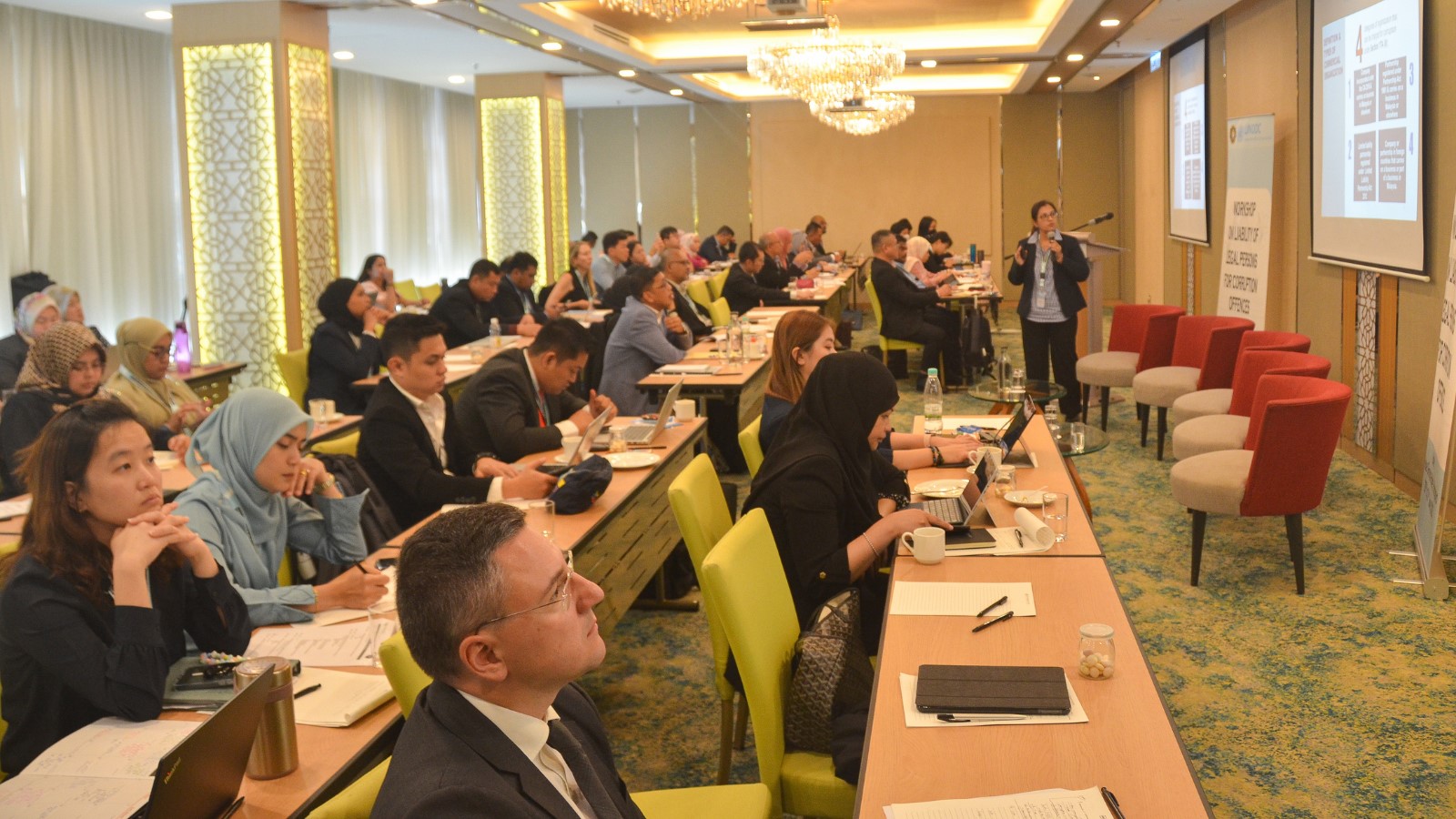
Held over three-days from 20-22 June, the event brought together stakeholders from various entities, including the Malaysian Anti-Corruption Commission, the Attorney General's chambers, the judiciary, foreign anti-corruption authorities, international experts, academia, civil society, and business associations.
With the prevention of corrupt practices, enhancement of public trust, and facilitation of international cooperation playing a role in fostering a conducive environment for economic growth and prosperity, the event marked the initial step in strengthening a corporate liability regime for corruption offenses in Malaysia.
The draft report which was presented during the meeting analyses the current regulatory and institutional framework in the country, and presents tailored recommendations for practitioners and policymakers by examining the challenges faced in effectively prosecuting legal persons for corruption in Malaysia. Mr. Tan Sri Dato' Sri Haji Azam Baki, the Chief Commissioner of the Malaysian Anti-Corruption Commission, updated the audience on the work of the commission and what it was doing to ensure more effective operations. Sharing an external perspective, Prof. Dr. Surya Jaya, an Indonesian supreme court judge, provided valuable insights into the different laws concerning corporate criminal liability in Indonesia and presented a case study of an Indonesian company that faced various corruption charges in his country.
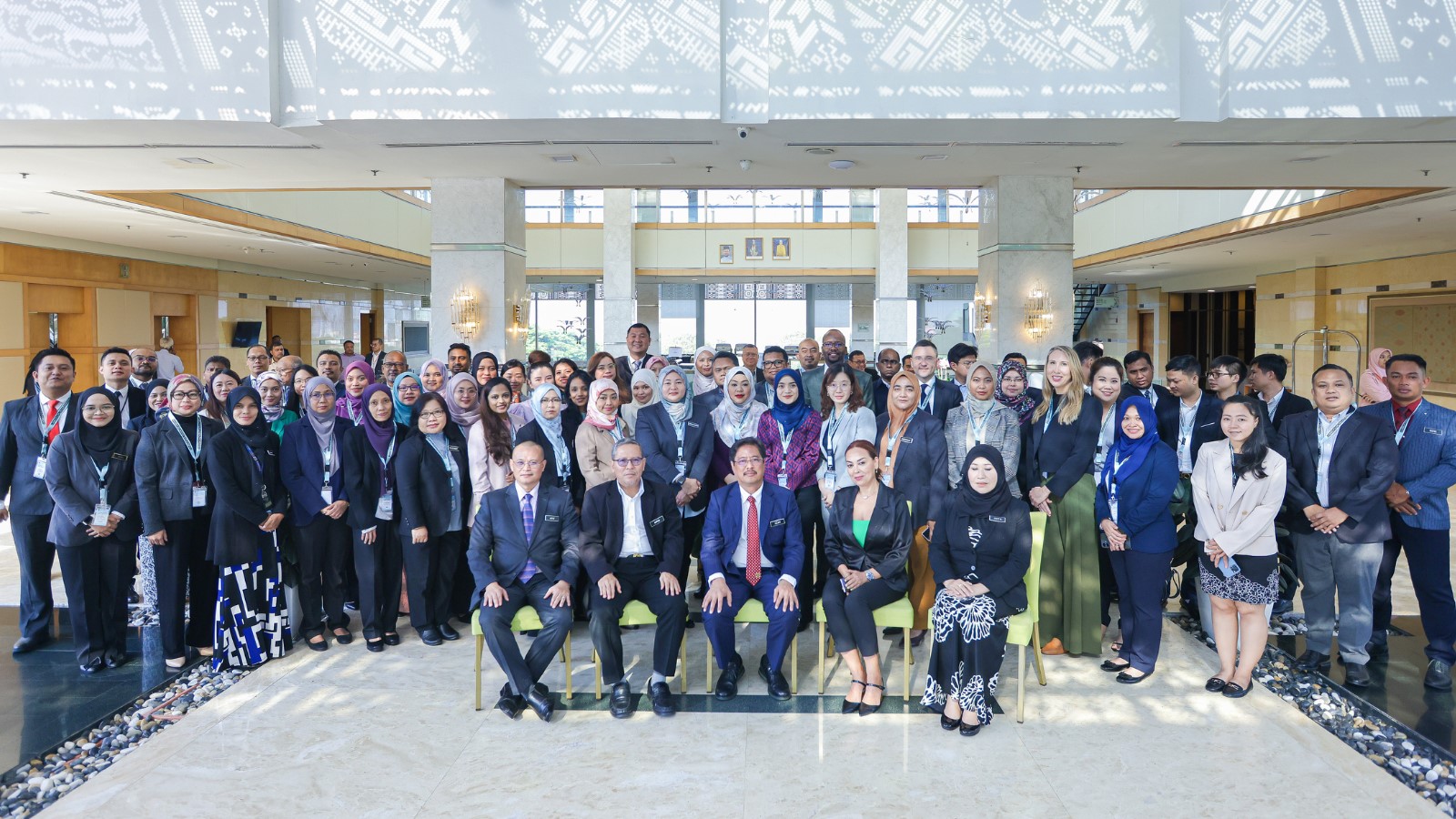
The workshop included a roundtable dialogue session with non-governmental stakeholders, including representatives from business, civil society and academia. During this dialogue session, multiple experts recommended that, in conjunction with the Malaysian Anti-Corruption Commission Act 2009, the Whistleblower Protection Act 2010 also be amended to provide improved protection for whistleblowers. This amendment would help safeguard them against potential repercussions and enable stronger evidence gathering for cases involving criminal liability of legal persons and their directors. The participants called for increased multi-stakeholder dialogue sessions.
Various organizations supported the workshop by sharing knowledge and expertise, including the United Kingdom Serious Fraud Office, the United States Department of Justice, the United Nations Global Compact, and the Organisation for Economic Co-operation and Development.
